Are you wondering what daily life really feels like near downtown Iowa City? If you like the idea of walking to coffee, catching a bus without worrying about fares, and having campus energy woven into your routine, this area can be very appealing. At the same time, it helps to know the tradeoffs before you move. Let’s take a closer look at what everyday living near downtown Iowa City actually offers.
Walkability Shapes Daily Life
One of the biggest draws of downtown Iowa City is how easy it is to get around on foot. The Downtown District describes the area as a one-of-a-kind pedestrian core with a 95 out of 100 walkability score. That kind of setup can make your daily routine feel simpler and more connected.
The Pedestrian Mall is a major part of that experience. It acts as a central gathering place and includes more than 35 sidewalk patios, which adds activity throughout the day and evening. If you enjoy being in the middle of things, this can make downtown living feel lively and convenient.
The University of Iowa also notes that campus blends seamlessly into downtown. Instead of feeling like two separate zones, the area functions more like one connected environment. For you, that can mean short walks between errands, dining, events, and campus destinations.
Transit Makes Car-Light Living Possible
If you want to rely less on a car, downtown Iowa City gives you real options. Iowa City Transit is fare-free, and the University of Iowa says both CAMBUS and Iowa City Transit serve campus and nearby areas without a fare. That can make commuting and everyday trips easier to plan and easier on your budget.
The downtown and Pentacrest area also works as a local transit hub. The Downtown Interchange sits about a half-block from the Pentacrest, which puts bus connections close to the center of activity. For many residents, that means you can get where you need to go without always thinking about parking.
Biking also fits naturally into daily life here. The area around campus and the community is described as extremely bike-friendly, with bike racks near the Pentacrest. If you like a flexible routine, walking, biking, and transit can work together well near downtown.
Driving and Parking Take More Planning
You can still drive downtown, but it usually takes more planning than in a suburban area. Most on-street parking is metered and often has limited time windows. For quick stops, that may work fine, but longer visits often mean using parking ramps or parking a little farther out.
Parking demand is also high in the downtown area. That matters if you expect easy front-door parking every day. If you are comparing housing options near downtown, parking access is one of the smartest details to ask about early.
It is also worth remembering that major events can affect traffic flow. Streets may close during events like the Iowa Arts Festival, which can change your normal route or parking plan. For many people, that is a manageable tradeoff, but it is still part of the downtown lifestyle.
Coffee, Errands, and Convenience
Downtown Iowa City functions as more than a business district. It serves as a central downtown for Iowa City, Coralville, and North Liberty, with retail, restaurants, residential spaces, cultural venues, and civic uses all close together. That mix helps the area feel practical for everyday living, not just weekend outings.
Coffee shops and quick-stop spots are part of the neighborhood rhythm. Official downtown listings include Java House, Mammitas Coffee, and Bread Garden Market. Bread Garden Market is especially useful because it combines groceries, coffee, baked goods, and prepared food in one place.
If you want to walk out your door and pick up a few groceries, grab breakfast, or meet someone for coffee, downtown supports that kind of routine. For first-time buyers, renters, and relocation clients, this kind of convenience can be a major lifestyle upgrade. It often means less time in the car and more flexibility in your day.
Culture and Campus Energy Stay Close
Living near downtown also means staying close to Iowa City’s cultural side. Downtown listings include places like FilmScene, Riverside Theatre, the Weather Dance Fountain stage, and the Iowa City UNESCO City of Literature organization. That gives the area a steady flow of events, activity, and public life.
The University of Iowa adds another strong layer to the atmosphere. Most first-year classes are within the same three-block radius, and the downtown area sits just across the street from the heart of campus. In everyday terms, you can expect consistent foot traffic, an active academic calendar, and a social scene that stays busy much of the year.
For some buyers, that energy is the whole point. If you want quiet, low-density living, near-downtown life may not be your best fit. But if you want to feel plugged into the city, the university, and local events, this location has a lot to offer.
Parks and Open Space Work Differently
Outdoor access exists near downtown, but it looks different than it does in lower-density areas. Iowa City notes that almost all residents live within one-half mile of open space, and University of Iowa materials say the city has more than 50 local parks. That is encouraging, but downtown itself does not have the same amount of abundant open space as other parts of the city.
That is why pocket parks and trail connections matter so much in the core. Black Hawk Mini Park is one of the active public spaces in the district, and the Downtown District seasonally activates it along with North Linn Street. These smaller public spaces can become part of your daily routine for a short break, a walk, or time outdoors.
For larger outings, city materials point to places like Waterworks Park, Hickory Hill Park, and Terry Trueblood Recreation Area. So the outdoor lifestyle near downtown tends to work in two layers. You get quick access to small public spaces close to home, plus short bike, bus, or car trips to larger parks.
Housing Mix Near Downtown
Housing near downtown Iowa City tends to be more varied and more urban than many buyers first expect. Off-campus housing in Iowa City includes apartment complexes, rented houses, and off-campus housing facilities. Near downtown, that usually translates to a denser mix with a strong focus on location and convenience.
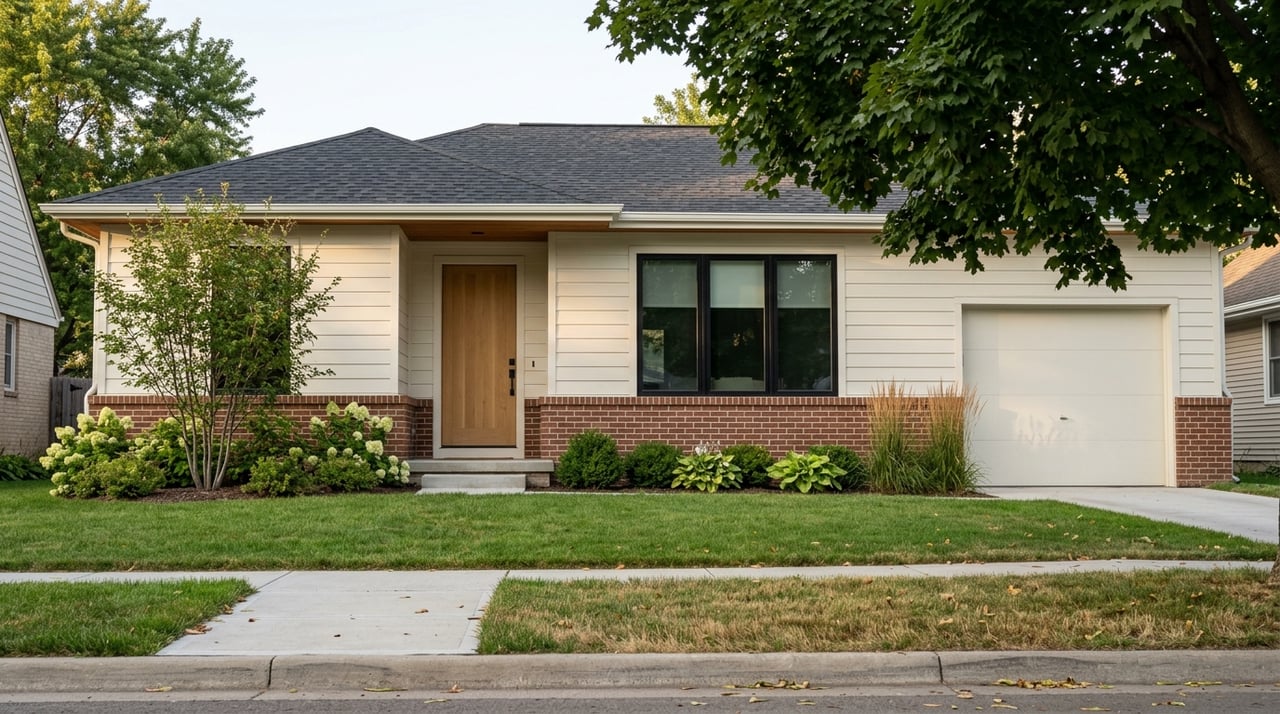
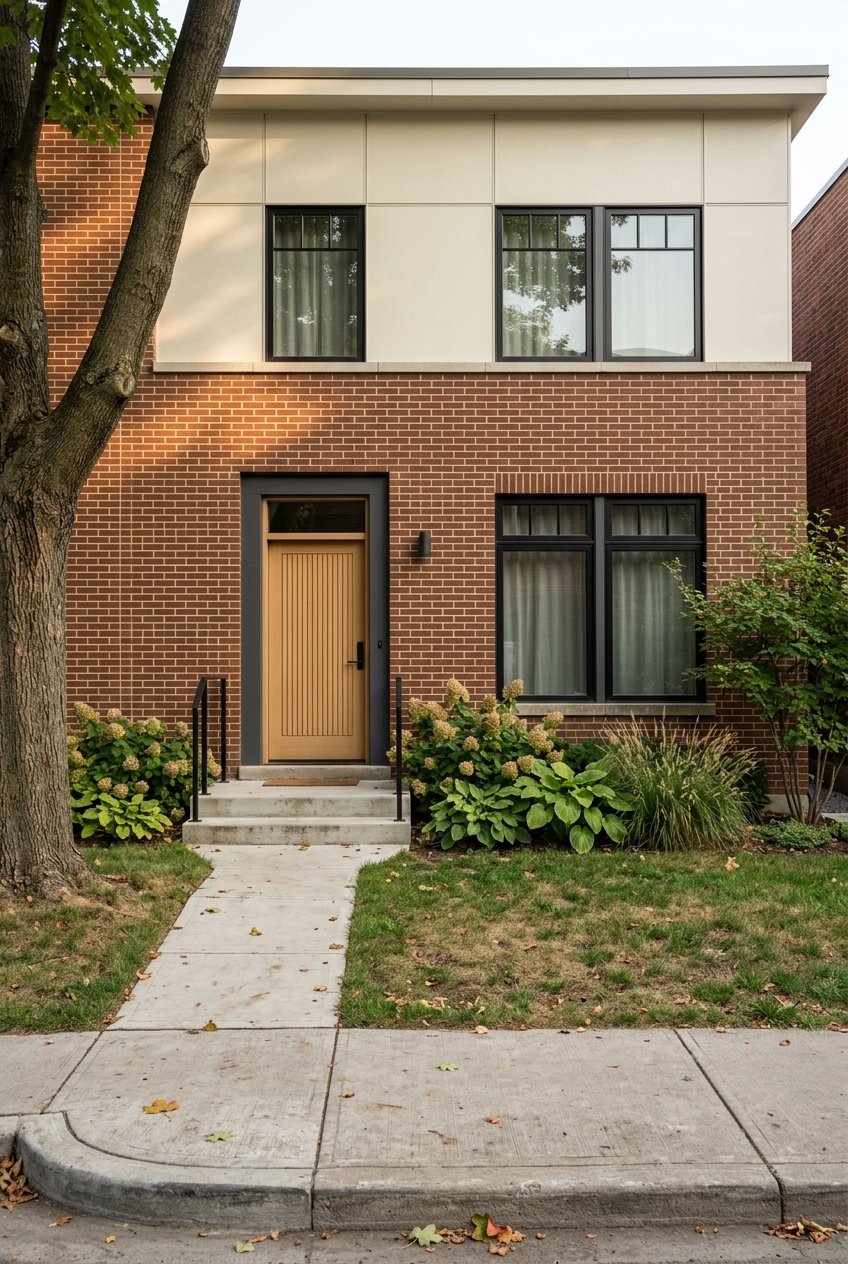
You may see apartments, duplexes, older single-family homes, and newer mixed-use buildings in the same general area. Iowa City preservation materials also note common historic and conservation district styles such as American Foursquare, Colonial Revival, and Craftsman homes. Some of those forms are adapted into duplexes or multi-family buildings, which adds to the mix.
Downtown preservation planning also points to a blend of historic buildings and newer high-rise residential and retail development. That means you are less likely to find one dominant housing type here. Instead, you will find a range of options that can support different budgets, routines, and ownership goals.
Who Near-Downtown Living Fits Best
Near-downtown Iowa City often appeals most to people who value convenience and activity over space and privacy. Renters, first-time buyers, and relocation clients are often drawn to the ability to walk to daily needs, use fare-free transit, and stay close to campus and downtown amenities. If that sounds like your routine, this area may feel like a natural fit.
It can also work well if you want a car-light lifestyle. When walking, biking, and transit all feel realistic, your home search can open up in useful ways. You may decide that proximity matters more to you than lot size or a quieter setting.
The main tradeoffs are usually parking demand, steady pedestrian activity, and occasional event-related congestion. None of those are deal-breakers for everyone, but they do affect how daily life feels. The key is making sure your home choice matches how you actually want to live.
What to Consider Before You Buy
If you are exploring homes or condos near downtown Iowa City, it helps to focus on a few practical questions early. Lifestyle fit matters just as much as square footage. The right choice is often the home that supports your routine, not just your wish list.
Here are a few smart things to evaluate:
- How often do you want to walk to coffee, groceries, dining, or events?
- Would fare-free transit or bike access reduce your need for a car?
- How important is dedicated parking to your daily routine?
- Do you enjoy a lively setting with regular foot traffic?
- Would you prefer quick access to downtown over a larger lot or quieter street?
As you compare options, think about what will feel easy on a normal Tuesday, not just exciting on a Saturday afternoon. That is often where the best decision becomes clear.
If you are weighing downtown Iowa City against other areas in the metro, having local guidance can make the process less stressful. I help buyers look beyond the listing photos and think through how a location will work day to day. When you understand the lifestyle as well as the property, you can move forward with more confidence.
If you are curious about condos, apartments, or homes near downtown Iowa City, Emily Hammes can help you compare options and find the right fit for your routine.
FAQs
Is downtown Iowa City walkable for everyday living?
- Yes. The Downtown District describes downtown Iowa City as a pedestrian core with a 95 out of 100 walkability score, and the University of Iowa says campus blends into downtown.
Can you live near downtown Iowa City without a car?
- Often, yes. Fare-free Iowa City Transit, fare-free CAMBUS service, and a bike-friendly environment make a car-light routine realistic for many residents.
What types of homes are common near downtown Iowa City?
- Near downtown, you can expect a mix of apartments, duplexes, rented houses, older single-family homes, and some newer mixed-use or higher-density buildings.
What is the biggest tradeoff of living near downtown Iowa City?
- The biggest tradeoffs are usually parking management, steady pedestrian activity, and occasional event-related street closures or congestion.
Are parks easy to access from downtown Iowa City?
- Yes, but the experience is different from lower-density areas. Downtown relies more on pocket parks and trail connections, while larger parks are usually a short ride away.